

When you toss a ball to a child and they throw it back, you are playing a game of catch. In early childhood development, a similar “game” happens with words, gestures, and facial expressions, it’s called Serve and Return.

Serve and return is the back-and-forth interaction between a child and an adult. When a baby coos, points, or smiles (the “serve”), and the adult responds with words, eye contact, or a smile (the “return”), it creates a powerful learning moment. These exchanges are the building blocks of language, social-emotional skills, and brain development.
Harvard University’s Center on the Developing Child outlines the five key steps to a serve and return interaction.
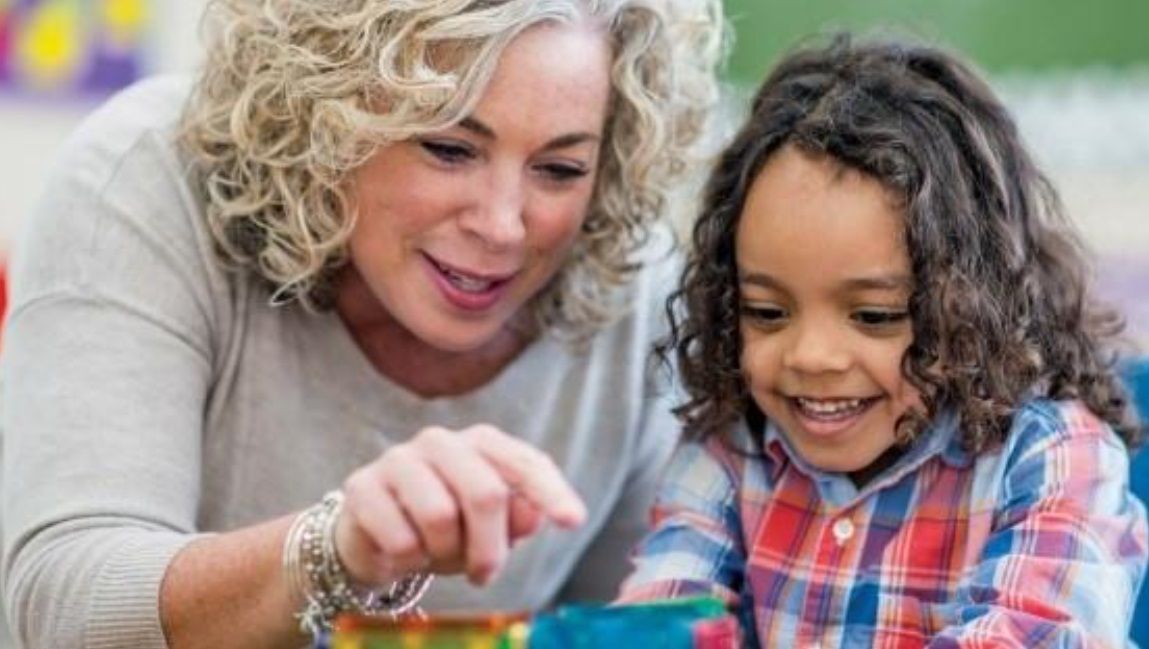
When these interactions happen consistently, children build resilience, confidence, and a sense of security, essential factors for lifelong learning. While serve and return interactions are most critical during infancy and toddlerhood, they remain valuable throughout the preschool years.
Every time a child reaches out, or serves, and an adult responds in a supportive manner, brain circuits are activated and strengthened. Noticing a child’s attempts at connection and intentionally responding literally builds their brain and shapes their future. For more information on this dynamic process, check out the resource below.